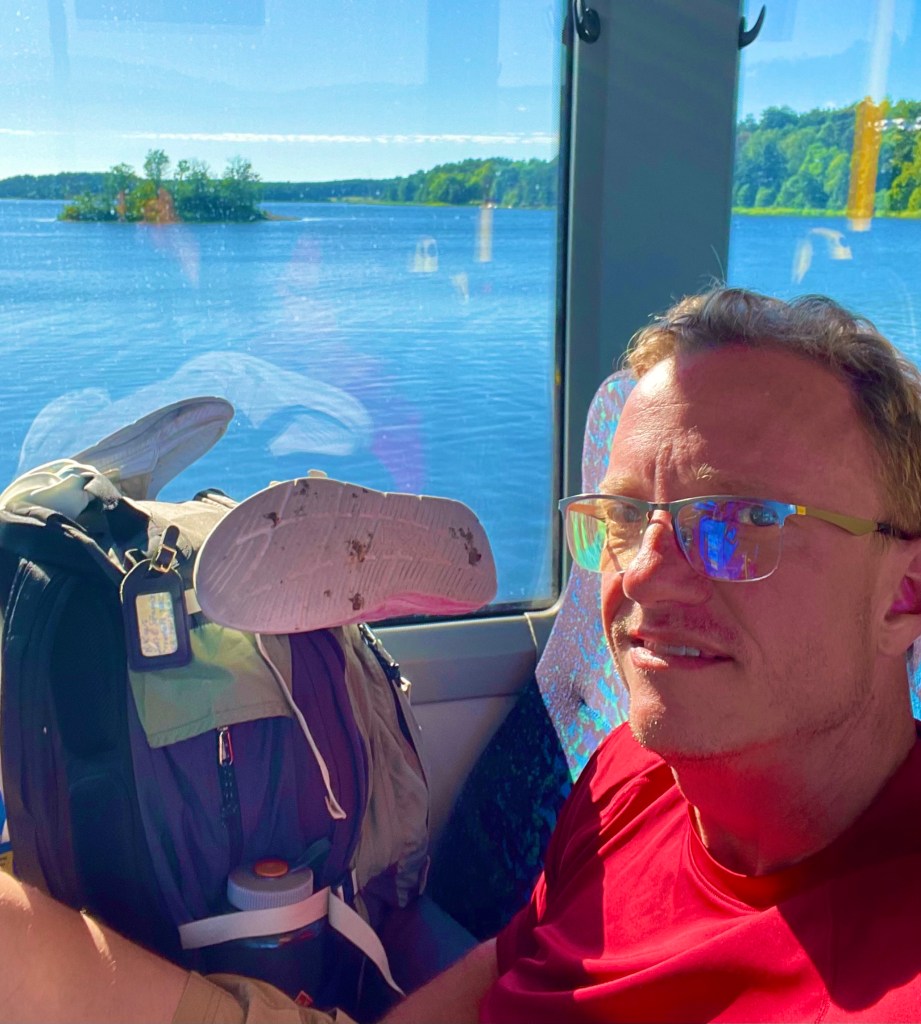
Over the last two years while discovering weekend backpacking near my home in Central Florida, some of my most thrilling experiences have been one-night adventures far from home that I’ve added to family vacations and road trips to college football games. In fact, I now consider backpacking options when deciding where to travel. As fun as “backcountry road tripping” can be, tacking on a one-night backpacking excursion to a business trip or family vacation can complicate travel plans, particularly when you fly to your destination. But I’ve learned some tips that might help if you’re considering trying one.
- Consider Purchasing a Large Roller Duffel Bag: The key purchase that allowed me to begin backpacking on family vacations is a wheeled duffel bag big enough to fit the backpack and gear I take on the trail. I suppose you could simply check your backpack separately at the airport, then pack your other clothes and items in your carry-on or a second checked bag, but I find it easier to just travel with a large (120 liter) rolling duffel. I’m referring here to a rolling bag with a single open compartment big enough to fit a loaded backcountry pack and additional clothes, shoes, coats, and toiletries for the remainder of the time you plan to spend in civilization.

My bag of choice is the Eagle Creek Cargo Hauler XT Wheeled 120L, although many travel stores have comparable options in different sizes and prices. Like most rolling duffels, mine has a telescoping handle and a pair of heavy-duty wheels for easy navigation through airport terminals and cobblestoned neighborhoods. Even better, my bag has a pair of tuckaway backpack straps that can be used in a pinch to carry it up stairwells when elevators are unavailable (European travelers know what I’m talking about here). I will note that my bag is not light (it’s almost 9 pounds), so you need to be careful when packing to keep it under the 50-pound weight limit most airlines impose to avoid overweight charges. But when backpacking on family vacations, I never leave home without it.

- Find Out Where to Get Cooking Fuel After You Land: Most backpacking gear can be brought with you from home on the plane. But not fuel for your camping stove–the airlines prohibit passengers from carrying fuel cannisters in checked or carry-on bags. Many destinations also do not permit backcountry campfires. So if you want to eat warm food on the trail, you’ll have to get fuel when you arrive. This won’t be a problem if you travel to a city with an REI or other backpacking store, but you often can’t count on local sporting goods stores to stock isobutane/propane fuel canisters (they typically only have butane). Fear not, you can order a fuel canister online from Home Depot to be shipped to a store near your destination. I did this when I traveled to Shenandoah National Park after landing at the airport in Charlottesville, Virginia, and the pick-up process was easy. Just be sure to purchase it at least a week or two before you arrive.

- Plan Travel Around Backcountry Plans and Budget for Extra Time: If you plan to backpack on the day you arrive at a destination, fly as early as possible, and budget extra time for flight delays, delays in retrieving baggage and rental cars, and delays in driving to trailheads. (Bear in mind also that rural roads close to trailheads may call for slower speeds or be harder to find, especially when you can’t count on reception for navigational apps on your phone.) This goes double when backpacking in the autumn after the switch to daylight savings time, when you lose an hour of daylight on a hike in. I always try to budget enough time to get from the gate where I land to my campsite at least one hour before sunset. Similar considerations will also be needed if you plan to fly home on the day you return from the trail, especially since you’ll want to take a shower before going to the airport. (I prefer to finish backpacking at least two days before flying home to avoid cramming cramped legs into a small airplane seat anyway.)
- Pick Your Route Before You Go and Research Reservation Requirements: Although you should always plan a route before backpacking even at home, this goes double when you’re flying to a destination. Print your maps or download them onto your phone before you leave, as you don’t want to count on having phone reception in the backcountry. Consider also googling the altitude and elevation gain on your route to be sure you’re not biting off more than you can chew. Perhaps most importantly, confirm whether you need to book a backcountry campsite at your desired destination before you go. For example, when I went to Shenandoah National Park earlier this month, I had to obtain a backcountry permit for my preferred camping zone before I arrived. This was in addition to paying the park’s entrance fee, and I had to print my backcountry permit at home before I left. Also check hunt dates, so you know whether you’ll need to avoid hunters or wear orange.

- Check on Local Updates Before You Go: Backcountry trails are routinely damaged by floods, rockslides, blizzards, and even construction. So although you should plan a trip before you go, you’ll always need to prepare to tweak your route based on changing conditions. Websites for national and state parks and forests routinely post updates on conditions that might alter your plans such as road or trail closures or controlled burns. It’s also a good idea to look out for alerts on other conditions that could impact how you prepare, such as rabies or tickborne disease outbreaks. I even look for recent updates of my chosen trails on AllTrails to see what people are saying about mosquitoes and wildlife sightings.


 RobRogersWriter.com
Leave a comment